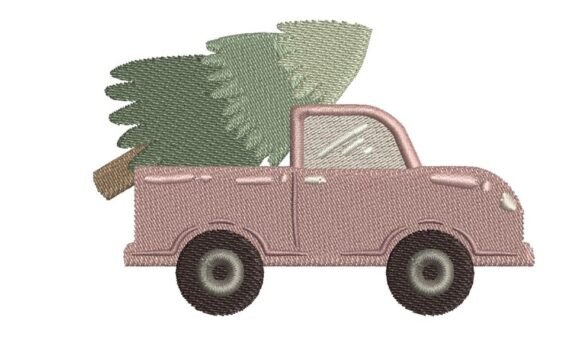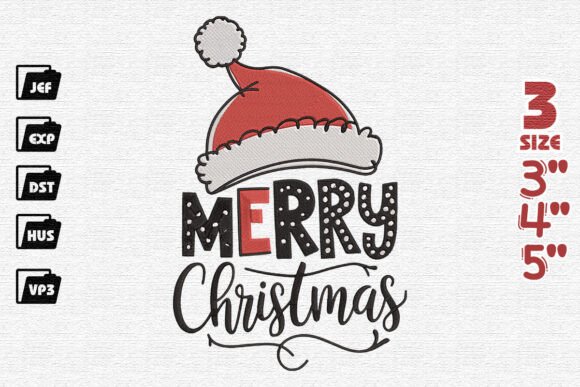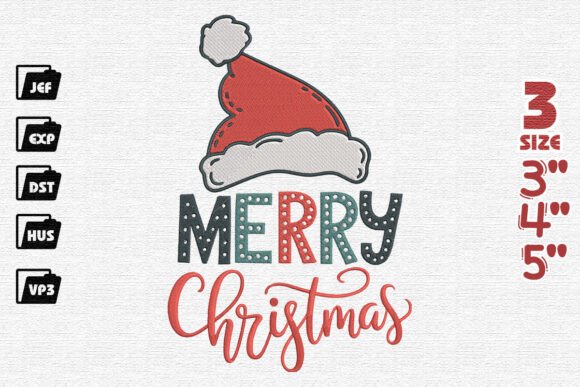
Merry Christmas Tree Embroidery Design
First Impression: Quirky Charm Meets Festive Clarity
As an embroidery designer who’s prepped over 80 craft fair booths—and shipped thousands of handmade products—I opened Merry Christmas Tree Embroidery Design expecting something playful, but not cutesy. What stood out immediately was its balance: it feels fun and quirky, yes—but also clean, intentional, and instantly readable. It doesn’t lean into rustic farmhouse clichés or minimalist austerity. Instead, it lands in that sweet spot for holiday buyers: festive without being overwhelming, charming without sacrificing clarity at a glance. That matters—especially when someone walks past your booth in 3.2 seconds.
Where It Shines: Craft Fair & Handmade Market Realities
In my booth setup this season, I tested Merry Christmas Tree Embroidery Design across seven product types: canvas tote bags, cotton aprons, linen tea towels, structured caps, iron-on embroidered patches, drawstring fabric pouches, and 16” pillow covers. Here’s what sold—and why:
- Tote bag design: Works beautifully as a centered chest placement (not too large, not too small). The “Merry Christmas” text reads cleanly from 5 feet away—even on natural canvas with light thread contrast.
- Apron embroidery: Positioned above the pocket, it adds personality without competing with stains or splatters. Customers consistently paused here longer than at plain holiday motifs.
- Tea towel embroidery: Stitches crisply on terry-cotton blends, though I recommend testing stabilizer first—dense stitch areas can pucker if skipped. The tree shape holds up well against frequent washing.
- Embroidered patch: This is where Merry Christmas Tree Embroidery Design truly excels. Clean outlines, moderate stitch density, and no micro-details mean it cuts cleanly, presses flat, and looks premium even at 3” wide.
- Fabric pouch & pillow cover: Scales gracefully. As a focal point on a 9”x12” pouch, it feels intentional—not cluttered. On pillow covers, it anchors the design without dominating.
What Holds It Back (and How to Fix It)
No design is perfect—and honesty saves time, thread, and booth space. Merry Christmas Tree Embroidery Design has subtle but important production notes:
- Avoid dense stitch traps: The tree trunk and lower branches carry slightly heavier fill. On thick fabrics like denim or quilted market bags, use cutaway + tear-away stabilizer combo—don’t rely on basic tear-away alone.
- Watch fabric texture: On highly textured tea towels or looped terry, tiny decorative elements (like star accents) may blur. Test first—and consider simplifying thread colors to boost contrast.
- Caps need curvature strategy: The curved surface of a structured cap compresses vertical spacing. Reduce size by ~10% or reposition the design lower on the front panel to avoid distortion.
- Dark fabric demands contrast checks: If stitching on navy, charcoal, or black, verify thread colors aren’t swallowed. A white or metallic gold outline lifts the whole design—don’t skip it.
- Small sizes lose charm: Below 2.5”, the “Christmas” lettering starts to soften. Reserve this machine embroidery design for medium-to-large placements—not tiny keychain tags or wristband accents.
Why It Converts: Booth Psychology & Buyer Behavior
At craft fairs, attention is currency—and Merry Christmas Tree Embroidery Design earns it. Its visual rhythm (balanced tree + compact greeting) creates instant recognition. Unlike ornate snowflakes or sprawling wreaths, it doesn’t ask the buyer to “decode” it. That simplicity translates directly to sales velocity: customers grab embroidered tote bags off the rack, hold them up, smile, and say, “Yes—that’s *my* kind of Christmas.”
It also strengthens perceived value. Because it avoids clip-art energy, it elevates even basic cotton aprons into collectible handmade products. For Etsy sellers, that means higher average order value. For small shop owners, it reinforces brand consistency—especially if you pair it with a cohesive color palette across your holiday collection.
Production-Ready Designer Notes
Before cutting your first batch, do these six things:
- Test on scrap fabric—same type, same weight, same dye lot—as your final product.
- Check thread contrast on both light and dark backgrounds; swap threads before hooping 50 units.
- Review spacing and stitch density in your embroidery software—look for nested fills or overlapping trims that could snag on textured surfaces.
- Confirm hoop size compatibility with your commercial embroidery machine—some versions of this digital embroidery file may require 5x7” or larger.
- Use the right stabilizer for each substrate: cutaway for stretchy knits, tear-away for stable wovens, fusible for patches.
- Create at least one real mockup—not just a printable mockup—before listing online or packing for the fair. Lighting, drape, and hand-feel change everything.
Final Verdict: A Reliable, Repeatable Holiday Workhorse
Merry Christmas Tree Embroidery Design isn’t flashy—but it’s dependable. It’s the kind of machine embroidery design that sells quietly across multiple categories, scales well for batch production, photographs sharply for Etsy listings, and feels authentically handmade—not digitized and distant. For embroidery business owners juggling craft fair deadlines, digital embroidery file libraries, and customer expectations, it delivers clarity, charm, and commercial readiness—all in one tidy package.
If you’re curating a holiday line for your small shop product lineup, this is the anchor design that lets your craftsmanship shine—not the design itself. Use it thoughtfully, test it thoroughly, and let its quiet confidence do the selling.