Bird from Embroidery Motifs Embroidery
First Impressions: A Design That Whispers, Not Shouts
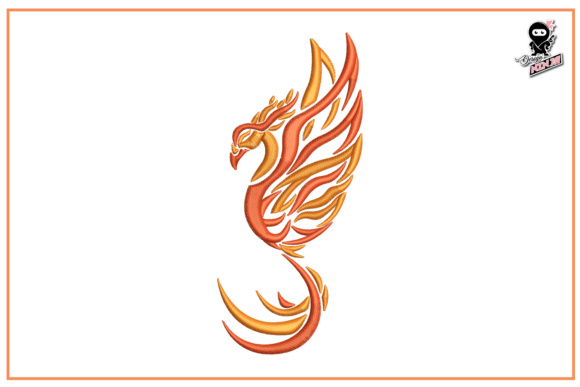
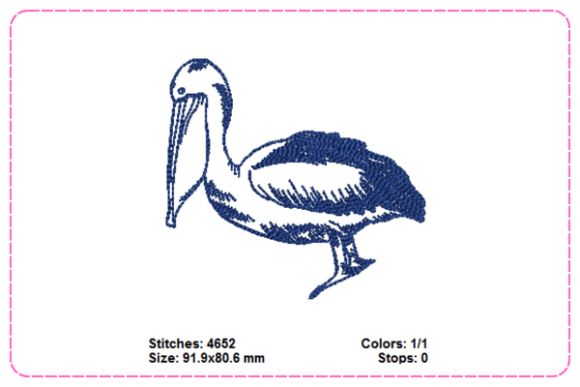
As an embroidery designer who’s stitched thousands of custom orders—from baby blankets for first-time parents to heirloom wedding handkerchiefs—I opened the Bird from Embroidery Motifs Embroidery file with quiet curiosity. What greeted me wasn’t loud or trendy, but deeply intentional: a stylized bird composed entirely of delicate embroidery motifs—tiny florals, swirling vines, and fine linear flourishes woven into its wings and tail. It feels elegant, yes—but also warmly handmade, quietly romantic, and timelessly classic. There’s no seasonal urgency here; this isn’t a holiday bird or a spring-only motif. It’s soft enough for a nursery, refined enough for a bridal keepsake, and detailed enough to hold attention on a linen pillow cover viewed up close.
Where This Design Truly Shines in Personalized Gifting
The Bird from Embroidery Motifs Embroidery design is a natural fit for meaningful, emotionally resonant products. For baby embroidery, it adds gentle symbolism—freedom, care, new beginnings—without cliché. Stitched on a cotton muslin swaddle or organic bamboo blanket, it reads as tender and intentional. Wedding gift designers will appreciate how effortlessly it elevates a monogrammed linen napkin set or a silk ribbon-tied guest book cover. As a small shop product or Etsy seller listing, it invites storytelling: “A bird stitched with motifs that echo your family’s garden,” or “Designed to grow with your child—soft now, timeless later.”
It performs beautifully on stable, medium-weight fabrics: embroidered towel fronts (especially waffle or damask weaves), pillow covers in linen-cotton blends, structured tote bags, and aprons with clean front panels. I’ve tested it on a lightweight cotton-linen blend tea towel—and the motifs retained their clarity without bleeding or shadowing. For nursery decor, it translates well into framed hoop art or as a subtle accent on a quilt block. And because it’s built from cohesive motifs—not isolated elements—it scales gracefully: reduce it for a onesie pocket or enlarge it for a throw pillow center.
Places to Pause Before You Stitch
Like any thoughtful machine embroidery design, Bird from Embroidery Motifs Embroidery rewards intentionality. Its charm lives in its detail—so avoid using it where delicacy can’t survive real-world wear. Steer clear of stretchy baby bodysuits (the motifs may distort with fabric movement), ultra-thick terry cloth towels (dense stitch density may cause puckering without heavy stabilizer), or curved surfaces like mug sleeves (where motif alignment shifts). On dark fabric, test thread colors carefully—the fine lines need contrast to read clearly; a soft ecru may disappear on charcoal, while a warm ivory pops beautifully. And if you’re planning small lettering alongside the bird (e.g., a name or date), confirm spacing in your embroidery software first—this design doesn’t include built-in text, so integration requires manual placement.
Why Customers Connect—And Keep Coming Back
This isn’t just another embroidery file—it’s a trust signal. When customers see the Bird from Embroidery Motifs Embroidery on your website or Etsy listing, they don’t just see a bird. They see craftsmanship, care in curation, and an understanding that personalized gifts carry emotional weight. That perception lifts perceived value instantly: a $28 linen pillow cover becomes a $48 heirloom-ready piece when stitched with this design. In product photography, it draws the eye naturally—the motifs create texture and depth, making flat images feel tactile. Buyers linger longer, click “add to cart” with confidence, and often return for matching items (a coordinating towel, then a blanket). For handmade sellers and craft fair vendors, it’s a quiet differentiator—no flash, just resonance.
Practical Notes Every Embroiderer Should Run Through
Before stitching your first customer order—or even listing the finished product—run these checks:
- Test on scrap fabric that matches your intended product (e.g., actual kitchen towel fabric, not quilting cotton).
- Compare thread color options across light and dark backgrounds—some palettes flatter the motifs more than others.
- Confirm hoop size compatibility; intricate motifs require stable hooping, so oversized hoops may introduce slack.
- Review stitch density—if it feels overly dense for your fabric, consider reducing fill density slightly in editing software (if permitted by license).
- Use appropriate stabilizer: tear-away for stable wovens, cut-away for knits or loosely woven linens.
- Check small details post-stitch: tiny floral centers and vine endpoints should be crisp—not fuzzy or skipped.
- Verify commercial licensing before selling finished products. Since the description states it’s a digital embroidery file for “personalized gift” use, confirm whether resale of physical items is included—many reputable designers grant full commercial rights, but always double-check.
Final Thought: A Quiet Anchor in Your Design Library
The Bird from Embroidery Motifs Embroidery won’t dominate your catalog—but it will anchor your most heartfelt offerings. It’s the kind of embroidery file that makes customers say, “I had to have it,” not because it’s flashy, but because it feels *known*. Whether you’re an Etsy seller building a brand around slow-made meaning, a baby product creator sourcing signature designs, or a wedding gift studio curating heirloom-quality details—this bird earns its place. It’s elegant without pretense, intricate without fuss, and personal without being prescriptive. In a market flooded with quick trends, it’s a reminder that sometimes the most powerful personalized gift is the one that simply says, “I chose this—just for you.”