Diver Boy Digital Embroidery Design
First Impressions: Whimsy, Warmth, and Quiet Storytelling
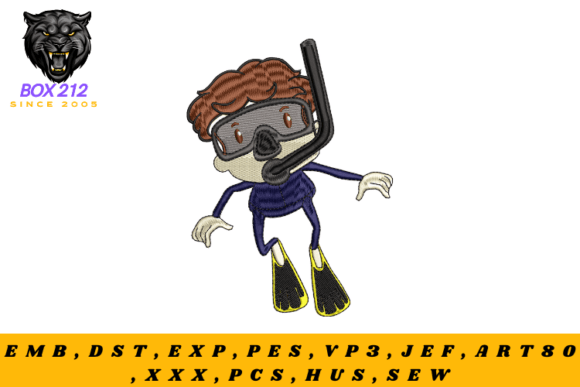
As an embroidery designer who’s tested hundreds of digital embroidery files for gift shops and Etsy sellers, I opened Diver Boy Digital Embroidery Design expecting charm—and found something deeper: a gentle, nostalgic narrative. The design features a softly rendered boy in vintage diving gear, arms outstretched as if floating mid-water, with subtle bubbles, a faint anchor motif, and delicate line work that balances simplicity and personality. It doesn’t shout—it invites. It feels handmade, not mass-produced; sweet but not saccharine; classic enough for heirloom pieces, yet fresh enough for modern nursery decor or wedding keepsakes. There’s emotional resonance here—curiosity, calm, quiet courage—that translates beautifully into a personalized gift.
Where This Design Truly Shines
Diver Boy Digital Embroidery Design is exceptionally versatile across categories that matter to small business creators:
- Baby embroidery: Perfect for receiving blankets, onesies (on stable knit blends), and milestone pillows. Its gentle theme avoids cliché while evoking wonder—ideal for gender-neutral baby registries and boutique newborn bundles.
- Wedding gift: Stitch it onto linen napkins, cotton tea towels, or a monogrammed pillow cover for the couple’s “diving into marriage” keepsake. Paired with soft thread colors like seafoam, slate, or oatmeal, it reads elegant and intentional—not novelty.
- Nursery & home decor: Works beautifully on canvas wall hangings, quilted crib bumpers (check safety guidelines), and lightweight bedding. On a neutral-toned pillow cover or embroidered towel, it adds quiet character without overwhelming the space.
- Custom totes & aprons: Its balanced proportions hold up well on structured cotton canvas or medium-weight denim. For craft fair vendors or Etsy sellers, this design helps differentiate handmade products from generic clipart-style motifs.
- Small shop product development: As a digital embroidery file, it layers easily with names, dates, or coordinating motifs (like tiny seashells or waves) for custom order previews—making it ideal for seasonal listings or curated gift boxes.
Smart Placement Matters: Where to Use With Care
This isn’t a “set-and-forget” machine embroidery design—and that’s a good thing. Thoughtful execution elevates perceived value. Here’s where attention pays off:
- Small lettering or fine details: The diver’s goggles and bubble outlines are charming but delicate. Avoid shrinking the design below 3.5" wide on high-thread-count fabrics unless you’ve tested stitch clarity first.
- Textured fabric: On terry cloth towels or thick quilting cotton, increase stabilizer support—especially cutaway or tear-away + topping—to prevent puckering and preserve definition.
- Stretchy baby clothes: Stick to stable knits (e.g., interlock, PUL-backed cotton) and use light fusible stabilizer. Skip ribbed cuffs or curved seams unless you’re confident in your hooping technique.
- Dark fabric: Light thread colors (ivory, pale aqua) may need an extra layer of stabilizer or topping for opacity. Always run a printable mockup or test swatch before final stitching.
- Frequent-wash items: For blanket embroidery or kitchen towels, confirm the stitch density isn’t overly dense—tight fills can stiffen fabric over time. A moderate density supports durability without compromising drape.
Why Customers Connect—and Keep Coming Back
In my experience, Diver Boy Digital Embroidery Design strengthens three key trust signals for buyers: authenticity, intentionality, and emotional intelligence. It doesn’t feel algorithm-generated; it feels chosen. When customers see this stitched on a handmade product, they sense care—not just craft, but curation. That perception lifts perceived value: a $28 embroidered towel becomes a meaningful wedding gift; a $42 baby blanket reads as a future heirloom, not just décor. For Etsy sellers and small shop owners, that distinction drives repeat orders and word-of-mouth referrals. Plus, its timeless mood photographs beautifully—soft natural light highlights texture and dimension, making product shots feel warm and inviting rather than clinical.
Practical Notes Every Embroiderer Should Run Through
Before adding Diver Boy Digital Embroidery Design to your production workflow, do these five things:
- Test on scrap fabric—same type, same color, same stabilizer combo you’ll use for the final piece.
- Check thread color contrast across both light and dark substrates. Some palettes pop on ivory linen but disappear on charcoal cotton.
- Confirm hoop size compatibility—if your standard hoop is 4"x4", verify the largest version fits comfortably with margin room.
- Review stitch density and underlay in your embroidery software. Adjust if needed for your fabric’s weight or stretch.
- Verify commercial licensing before selling finished products. Since this is a digital embroidery file marketed for hobbies and embroidery, always double-check terms—many designers allow small-batch commercial use, but policies vary.
Also: don’t skip the stabilizer step. Even on smooth cotton, a lightweight tear-away prevents shifting during those fine-line sections. And if you’re creating custom order previews for clients, pair the machine embroidery design with real-thread mockups—not just digital renders—to set accurate expectations for texture and scale.
A Design That Grows With Your Business
Whether you're an Etsy seller launching your first embroidery collection, a baby product creator building a signature style, or a wedding gift designer curating heartfelt moments, Diver Boy Digital Embroidery Design offers more than visual appeal—it offers storytelling flexibility. It works in Hobbies and Embroidery contexts because it honors craft tradition while feeling quietly contemporary. Used intentionally, it turns everyday items—a kitchen towel, a tote, a blanket—into vessels for meaning. And in a marketplace crowded with fast-made goods, that kind of thoughtful detail is what builds loyal customers, one personalized gift at a time.