Embroidery Cupid Valentine Design
First Impression: Graceful, Timeless, and Booth-Ready
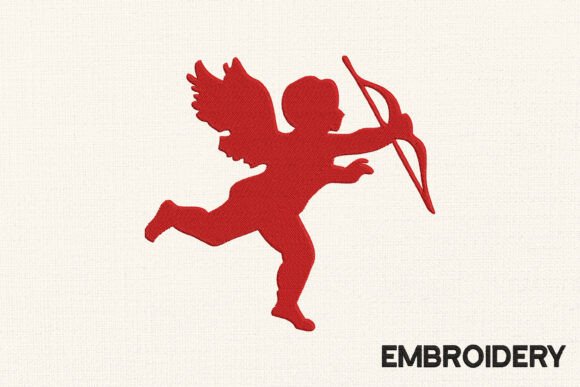
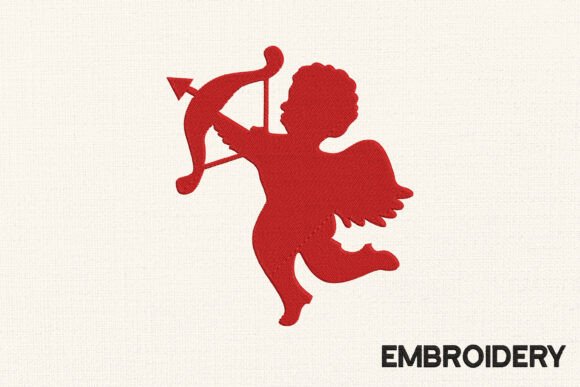
As an embroidery designer who’s prepped over 200 craft fair booths—and shipped thousands of machine embroidery designs to Etsy sellers and boutique makers—I opened Embroidery Cupid Valentine Design expecting charm. What I got was something rarer: quiet confidence. It doesn’t shout “Valentine S Day!” with glittery hearts or cartoonish Cupids—it leans into elegance, soft line work, and balanced negative space. That makes it instantly distinct on a crowded table next to loud, trend-chasing designs. Customers pause. They tilt their heads. They pick up the embroidered tote bag just to feel the stitch texture. That’s your signal: this isn’t background decor—it’s a conversation starter.
Where It Shines: Real Craft Fair Product Pairings
This design thrives where handmade quality meets everyday utility. On a natural linen tea towel? Perfect—its graceful curves echo farmhouse kitchens without leaning into cliché. As an apron embroidery centered above the pocket? It reads as intentional, not cutesy—ideal for bakeries, florists, or gift shops selling small shop products. As a 3.5" embroidered patch sewn onto a denim market bag? It adds artisanal weight without overwhelming. And on a cotton twill cap? With simplified thread colors and careful spacing, it holds clarity even on that curved surface—no distortion, no thread pooling.
It also performs beautifully on smaller-scale items: a 2.25" version on a fabric pouch feels precious, not cramped; a 4" rendition on a pillow cover anchors the piece without competing with patterned fabric. For digital sellers, its versatility means one embroidery file can generate multiple product listings—tote bag design, apron embroidery, tea towel embroidery—all under cohesive branding.
What Makes It Sell (and What Requires Care)
What sells: Its readability at a glance. At 6 feet, customers register shape, flow, and sentiment—not technical details. That’s critical when booth lighting is uneven and shoppers browse in 90-second bursts. It photographs cleanly for Etsy listings and printable mockups, especially against light or mid-tone fabrics. The implied movement—Cupid’s bow, gentle wing curve—adds life to static product shots. And because it avoids dense fill stitches or micro-details, it’s highly repeatable for batch production without sacrificing handmade quality.
Care notes: While elegant, Embroidery Cupid Valentine Design isn’t “set-and-forget.” Tiny feather details near the wings may blur on textured towels unless you use medium-weight cutaway stabilizer and reduce stitch density slightly. Avoid placing it too close to seams on curved caps—hoop size matters here; confirm compatibility before digitizing. On dark fabric, test thread contrast: matte pastel threads may recede, while high-sheen rayon pops but risks looking less premium. And if your version includes delicate script lettering (e.g., “Be Mine”), keep it above 3" wide—smaller sizes lose legibility on finished product.
Booth Impact & Buyer Psychology
In person, Embroidery Cupid Valentine Design elevates perceived value. It doesn’t scream “discount holiday item”—it whispers “curated gift.” That shifts buyer engagement: customers ask about thread types, not price. They compare versions across fabric weights. They request custom color palettes (“Can you do it in sage and cream?”). That’s how small shop products turn into loyal follow-ups.
Visually, it strengthens booth cohesion. Pair it with neutral packaging, dried lavender bundles, or hand-stamped tags—and suddenly your display reads as a brand, not a collection of crafts. It also bridges demographics: teens grab the patch, moms choose the tea towel, gift buyers select the pillow cover. No single audience owns it—which means broader reach without diluting authenticity.
Designer-to-Designer Production Checklist
- Always test first: Run Embroidery Cupid Valentine Design on scrap fabric matching your final product—especially for thick canvas totes or terry cloth towels.
- Confirm thread contrast: Print a swatch card with 3–4 thread color combos. Natural light changes everything.
- Review spacing and density: Zoom in on the embroidery file. Are wing tips spaced generously from edge borders? Does the bow loop have breathing room? Tight spacing causes puckering.
- Hoop size + stabilizer match: If stitching on knit fabric or stretchy tea towel blends, pair with tear-away + light cutaway. For caps, use cap-specific hoops and adhesive stabilizer.
- Create one real mockup: Not digital—actual stitched, pressed, and photographed. Lighting, fabric drape, and thread sheen change perception more than any printable mockup.
- Compare fabric colors: A design that sings on ivory linen may mute on oatmeal canvas. Keep physical swatches on hand.
- Verify commercial licensing: Since this is intended for craft fair product and small shop product sales, ensure your embroidery file license permits finished product resale—don’t assume.
Final Thought: Why This Design Fits Right Now
After years watching trends cycle—from maximalist hearts to minimalist line art—Embroidery Cupid Valentine Design lands in the sweet spot: emotionally resonant but visually restrained. It honors tradition without leaning on nostalgia, celebrates love without saccharine overload, and supports craftsmanship without demanding perfectionism. For Etsy sellers juggling 12 product lines, for Cricut crafters expanding into machine embroidery, for boutique makers building signature collections—it’s not just another Valentine S Day embroidery. It’s a quietly confident asset. One that turns a $22 tote bag into a keepsake, a $14 apron into a branded gift, and a weekend craft fair booth into a destination.