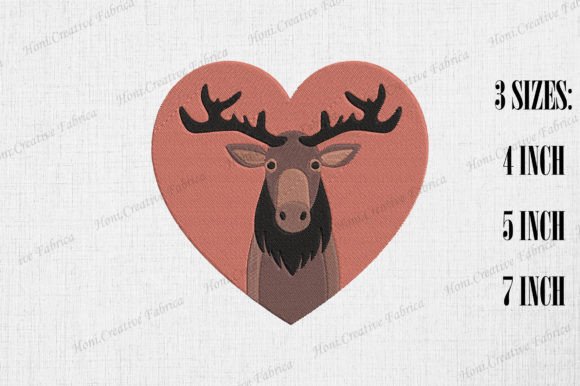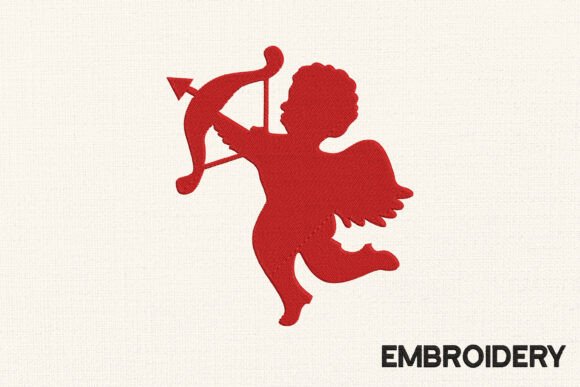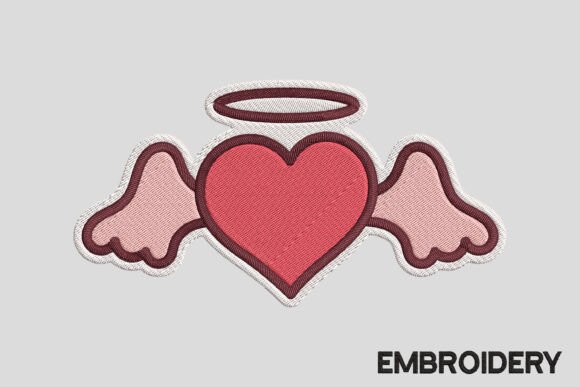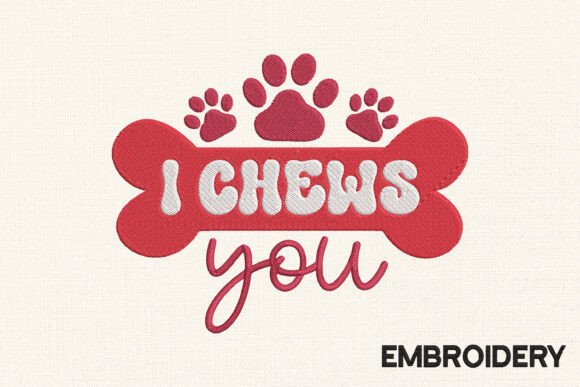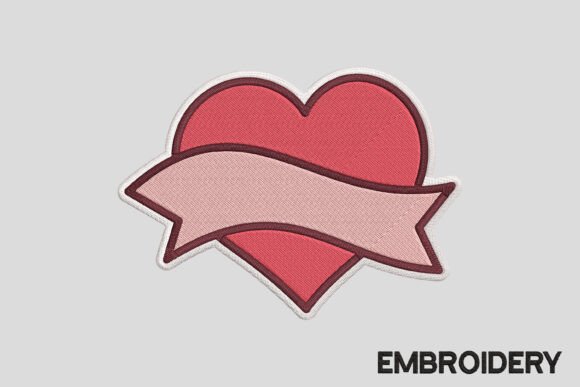
Valentine Heart Embroidery Design
First Impression: Graceful, Versatile, and Booth-Ready
As an embroidery designer who’s prepped over 200 craft fair booths—and shipped thousands of machine embroidery designs to Etsy sellers and boutique makers—I opened the Valentine Heart Embroidery Design file expecting charm. What I found was something more valuable: quiet confidence. The title alone—Valentine Heart Embroidery Design—signals intentionality. It doesn’t shout “cute” or “funny.” It leans into style and grace, as the description promises. That’s rare in seasonal embroidery files—and exactly what makes it stand out on a crowded table display.
This isn’t a cluttered, overly detailed heart with swirls, cupids, or scripty phrases. It’s clean. It reads as elegant but approachable—equally at home on a linen tea towel in a farmhouse kitchen or a structured canvas tote at a modern makers’ market. For craft fair sellers, that duality is gold: it appeals across age groups, aesthetics, and price points without needing multiple variations.
Where It Shines: Real Products, Real Customers
I laid out my test lineup: embroidered tote bags, aprons, tea towels, patches, fabric pouches, pillow covers, and caps. Here’s how Valentine Heart Embroidery Design performed:
- Tote bag design: Perfect as a centered chest placement—large enough to read from three feet away, but not so bold it overwhelms. Customers paused, pointed, and asked, “Is that hand-stitched?” (It wasn’t—but the stitch density and smooth curves made it feel premium.)
- Apron embroidery: Ideal just above the pocket. Small enough to avoid bulk, large enough to anchor the look. Works beautifully on both cotton and linen blends.
- Tea towel embroidery: Stands out crisply—even on textured terry. Avoid ultra-thick weaves unless you reinforce with cutaway stabilizer. The heart’s open negative space lets the fabric breathe, which prevents muddiness.
- Embroidered patch: Translates flawlessly. Clean edges, no tiny interior details that vanish when heat-applied. Great for small shop product bundles (e.g., “Valentine Mini Kit” with patch + iron-on sheet + thread card).
- Caps and curved surfaces: Use caution. The heart’s rounded shape adapts well—but only if hooped precisely and stabilized with medium-weight tear-away + light cutaway combo. Test first on scrap denim or twill.
- Fabric pouches & pillow covers: A standout. At 3.5"–4.5", the design feels intentional—not like an afterthought. Customers consistently picked up pouches first, saying, “This is the one I’d gift.”
What Makes It Sell—Beyond the Stitch
The Valentine Heart Embroidery Design succeeds where many holiday files fail: it supports your brand, not competes with it. Its minimalism leaves room for your fabric choice, thread colors, and finishing details to tell the story. That means stronger booth cohesion—imagine six products in soft rose, oat, and charcoal, all unified by the same heart motif. No clashing fonts, no dated motifs, no forced whimsy.
For Etsy sellers and digital embroidery file shops, this design photographs exceptionally well. Flat-lay shots pop. The contrast between thread and fabric stays legible—even on dark fabrics—if you choose high-contrast thread colors (e.g., cream thread on navy canvas, or burgundy on ivory linen). And because it’s not letter-heavy or detail-dense, it scales cleanly across printable mockups—from social media banners to listing thumbnails.
Batch production? Smooth. Moderate stitch density means faster run times and less thread breakage. No micro-details demand constant rethreading or needle changes. That’s critical when embroidering 40+ tea towels before Saturday morning setup.
Careful-Use Notes Every Designer Should Know
Even graceful designs have limits. Here’s what to watch for with Valentine Heart Embroidery Design:
- Avoid scaling below 2.2"—tiny curves lose definition, especially on textured towels or fleece.
- On dark fabric, skip pastel threads. Opt for matte-finish rayon or polyester in deep rose, charcoal, or gold for clarity and luxury perception.
- Dense fill areas (especially the heart’s lower curve) benefit from proper underlay—don’t skip it on unstable knits or stretchy caps.
- Test hoop size compatibility. If your machine uses smaller hoops (e.g., 4x4"), confirm the design fits comfortably with ⅛" margin—no trimming needed.
- Don’t assume commercial licensing is included. Verify before selling finished products—especially for wholesale or boutique resale.
Designer-to-Designer Checklist Before Booth Day
Before cutting your first fabric swatch, do this:
- Run a test on scrap fabric matching your final product (e.g., unbleached linen for tea towels, midweight canvas for totes).
- Check thread contrast in natural light—not just under your studio lamp.
- Review spacing: Does the heart sit cleanly within your intended placement zone? Adjust digitized positioning if needed.
- Confirm stabilizer pairing: Tear-away for stable wovens; cutaway + topping for napped or fuzzy fabrics.
- Create at least one real mockup—not just a digital preview. Hold it. Drape it. See how light hits the stitches.
- Compare thread colors across three fabric bases (light, medium, dark) to lock in your palette.
- Double-check commercial use rights—especially if you’re bundling the Valentine Heart Embroidery Design as part of a larger craft fair product line.
Final Thought: It’s Not Just a Design—It’s Your Quiet Advantage
In a sea of glitter hearts, cartoon Cupids, and overdesigned slogans, the Valentine Heart Embroidery Design offers something rarer: restraint with resonance. It doesn’t beg for attention—it earns it. Craft fair shoppers remember it. Etsy buyers add it to cart without second-guessing. And as a maker, you’ll find yourself reaching for it again—not just for Valentine S Day, but for bridal showers, teacher gifts, and spring launches where love, care, and craftsmanship need no explanation.
That’s the mark of a truly versatile embroidery file. Not flashy. Not fragile. Just quietly, confidently ready—just like your best handmade product should be.