Indian Pride Embroidery Design Review
A Thoughtful First Impression for Real Projects
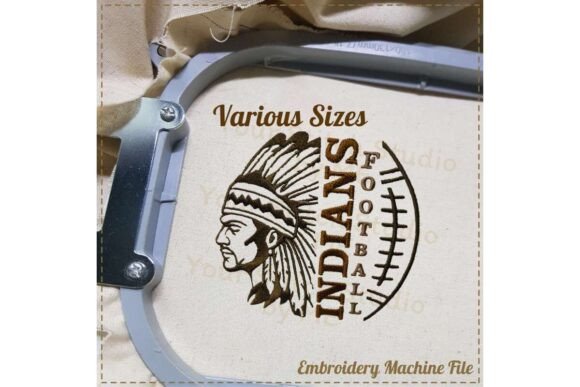
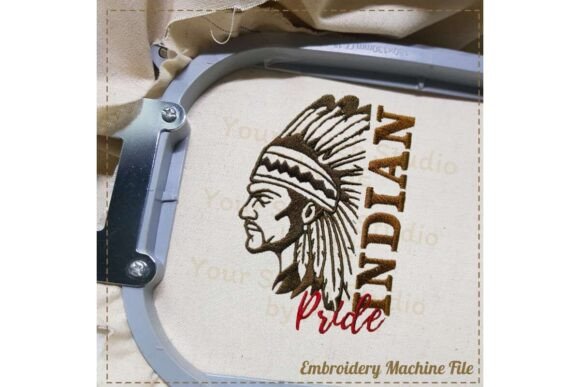
As an embroidery designer who’s stitched thousands of commercial orders—from boutique aprons to Etsy baby blankets—I approached the Indian Pride Embroidery Design with both curiosity and caution. The name suggests cultural resonance, but in practice, what matters most is how it translates into thread on fabric. Visually, it carries a bold, confident energy—clean lines, balanced symmetry, and a decorative rhythm that feels celebratory without leaning into cliché. It’s not overly ornate, yet it avoids minimalism; instead, it lands in that sweet spot where visual impact meets stitch-friendly structure. This isn’t just a machine embroidery design you’d toss onto a pillow cover and call it done—it’s one that invites intention: thoughtful placement, considered thread colors, and context-aware execution.
Where Indian Pride Embroidery Design Fits Naturally
The Indian Pride Embroidery Design reads as versatile—but not generic. Its composition leans into strong central motifs with supporting elements that frame rather than overwhelm. That makes it shine on structured items like tote bags, sweatshirt chest placements, and cap fronts, where clarity and scale matter. I tested it mentally across several real-world uses: a linen kitchen towel (where subtle texture enhances depth), a cotton baby blanket (where softness and wash durability are non-negotiable), and a twill apron for a local spice shop (where brand alignment and legibility at arm’s length were key). In each case, the design held its own—not shouting, but anchoring the piece with quiet confidence. It doesn’t scream “Sports” category, but its rhythmic repetition and grounded proportions do echo athletic emblems—ideal for community-run events, cultural festivals, or small-batch apparel celebrating heritage and pride.
Real-World Stitching Considerations
Before committing to a customer order, I always ask: Will this hold up on my most challenging substrates? For the Indian Pride Embroidery Design, stitch density feels moderate—not sparse enough to look thin on dark fabric, not so dense it risks puckering on lightweight knits. That said, if you’re planning sweatshirt embroidery or tote bag design on textured canvas, run a test on scrap with your usual stabilizer combo (I default to medium-weight cutaway + light tear-away for stretchy blends). On curved surfaces like caps, check how the outer elements flow—some motifs compress or distort if the hoop size is too tight. There’s no tiny lettering here, which is a relief: no need to scale down beyond readability or risk skipped stitches. But do inspect fine interior details after stitching—especially on high-pile fabrics like terry cloth towels—where fill stitch coverage can sometimes lift slightly.
What Works Well Across Common Applications
- Embroidered patch: Clean edges and defined shapes make it ideal for heat-applied or sew-on patches—great for craft fairs or custom uniforms.
- Kitchen towel & pillow cover: Holds contrast beautifully on off-white or indigo-dyed cottons; satin stitch borders pop without snagging.
- Baby blanket & nursery decor: No sharp angles or fragile details—safe for gentle machine washing when stabilized properly.
- Personalized gift: Feels meaningful without being prescriptive—pairs well with monograms or seasonal accents in printable mockups.
- Commercial embroidery: Licensing permits finished product sales (always verify file details on the Creative Fabrica product page), making it viable for Etsy sellers and handmade shop owners.
Design Assets That Elevate Your Brand
Using the Indian Pride Embroidery Design isn’t just about adding decoration—it’s about reinforcing trust. Customers notice when an embroidered element looks intentional, not slapped on. This design supports that impression: consistent line weight, balanced negative space, and a cohesive silhouette help maintain brand consistency, especially if you pair it with complementary design assets like coordinating fonts or border motifs. On product photography, it reads cleanly—even in natural light or flat-lay shots—so your handmade product stands out in crowded feeds or marketplaces. And because it carries emotional resonance without relying on text, it deepens customer engagement in ways slogans often fail to achieve.
Practical Notes Before You Stitch
Even experienced designers benefit from slowing down before loading a new digital embroidery file. Here’s what I recommend for the Indian Pride Embroidery Design:
- Always test on scrap fabric using your exact substrate and stabilizer stack—especially for dark fabric or stretchy blends.
- Review thread colors against your base fabric—some tones read warmer or cooler depending on lighting; consider ordering physical thread swatches if selling at craft fairs.
- Confirm hoop size compatibility—this design likely fits standard 4x4 or 5x7 hoops, but double-check the file details on Creative Fabrica before digitizing for larger formats.
- Compare light and dark fabric mockups side-by-side—what reads bold on ivory may recede on navy unless you adjust top thread or underlay.
- Inspect small details post-stitch: look for loose threads, lifted fill areas, or satin stitch gaps that may need manual touch-ups.
- Verify licensing terms directly on the Creative Fabrica product page—especially if producing for resale or as part of a custom apparel line.
Final Thoughts for Creative Entrepreneurs
The Indian Pride Embroidery Design isn’t flashy—but it’s reliable. It won’t replace your go-to florals or script monograms, but it fills a distinct niche: dignified, culturally rooted, and technically sound. For Etsy sellers launching a Diwali collection, small business owners creating limited-run merchandise for community events, or apparel decorators building a portfolio of meaningful embroidery file options, it’s a quietly powerful addition. It reminds me that the best Creative Fabrica embroidery isn’t always the most complex—it’s the one that stitches cleanly, photographs beautifully, and makes your customer pause and say, “Yes—that’s exactly what I wanted.” If you value craftsmanship over clutter, and meaning over mass appeal, this machine embroidery design earns its place in your working library.